
China has established political “re-education” facilities with the goal of getting Muslims in the Xinjiang region to follow Communist Party dictates.
You May Also Like


Also Read

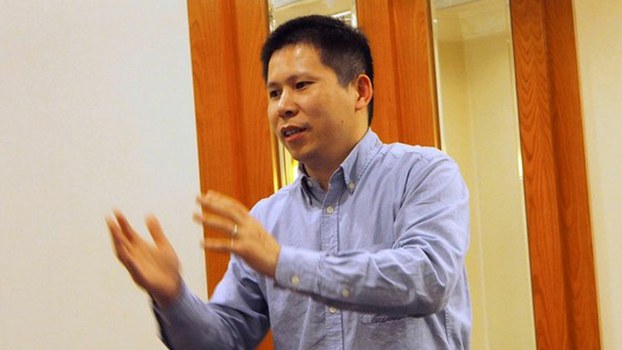
Chinese Police Track Down Dissident Xu Zhiyong Using Facial Recognition
Police in the southern Chinese city of Guangzhou have detained dissident Xu Zhiyong — who had been on the run for seven weeks — using facial recognition technology and big data analysis, RFA has learned. ...
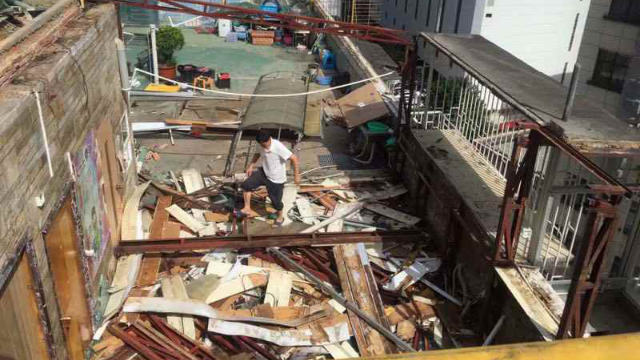
Chinese Authorities Shut Down House Church After 14 Years of Persecution
The Chinese government doesn’t seem to care a whit about the holidays its people celebrate, which is seemingly evident in its crackdown on the Fuzhou Reformed Church on Mother’s Day Sunday. ...
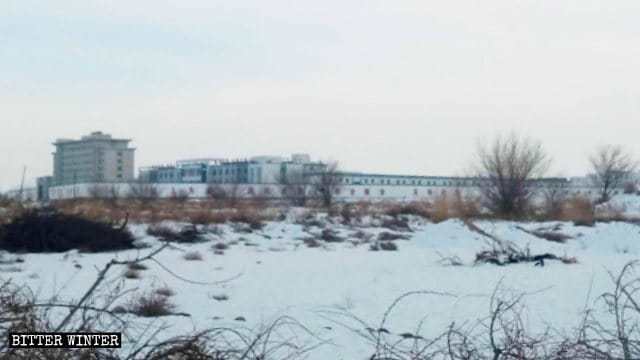
Thousands of Uyghurs Detained in a Gansu Prison
As Bitter Winter has previously reported, to hide the mass detention of Uyghurs, the Chinese authorities are transferring large numbers of detainees from the overcrowded prisons and transformation through education camps in Xinjiang to other provinces in China, such as Shaanxi, Gansu, Heilongjiang, and others. ...
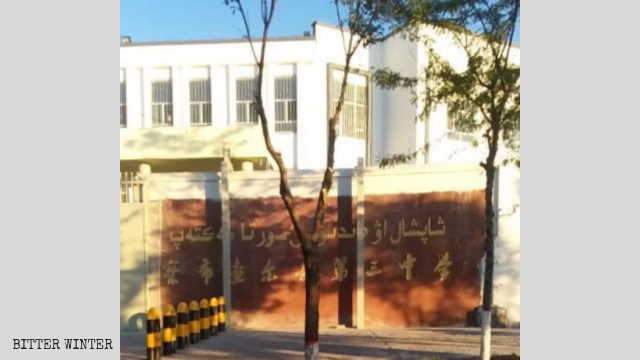
Should We Use The G Word? Chinese Persecution and Genocide
A school transformed into a “transformation through education” camp for Uyghurs International scholars start asking the question whether what China is doing to ...